- Ohře Bike Trail


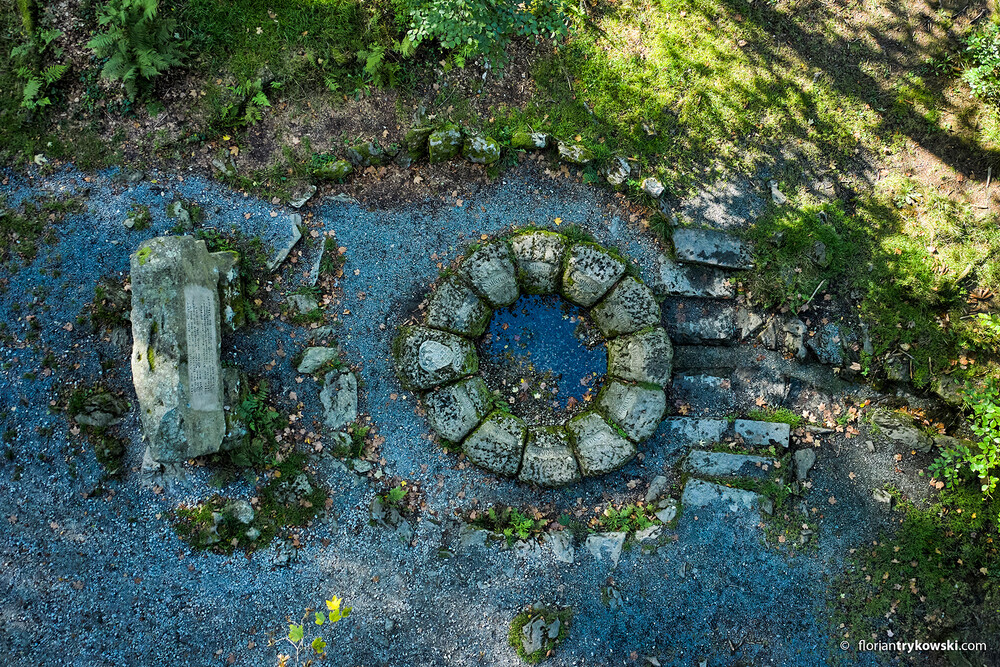
The source of the Eger River is located at an elevation of 752 meters at the northwestern foot of Schneeberg (1,051 meters), the highest peak in the Smrčiny Mountains.
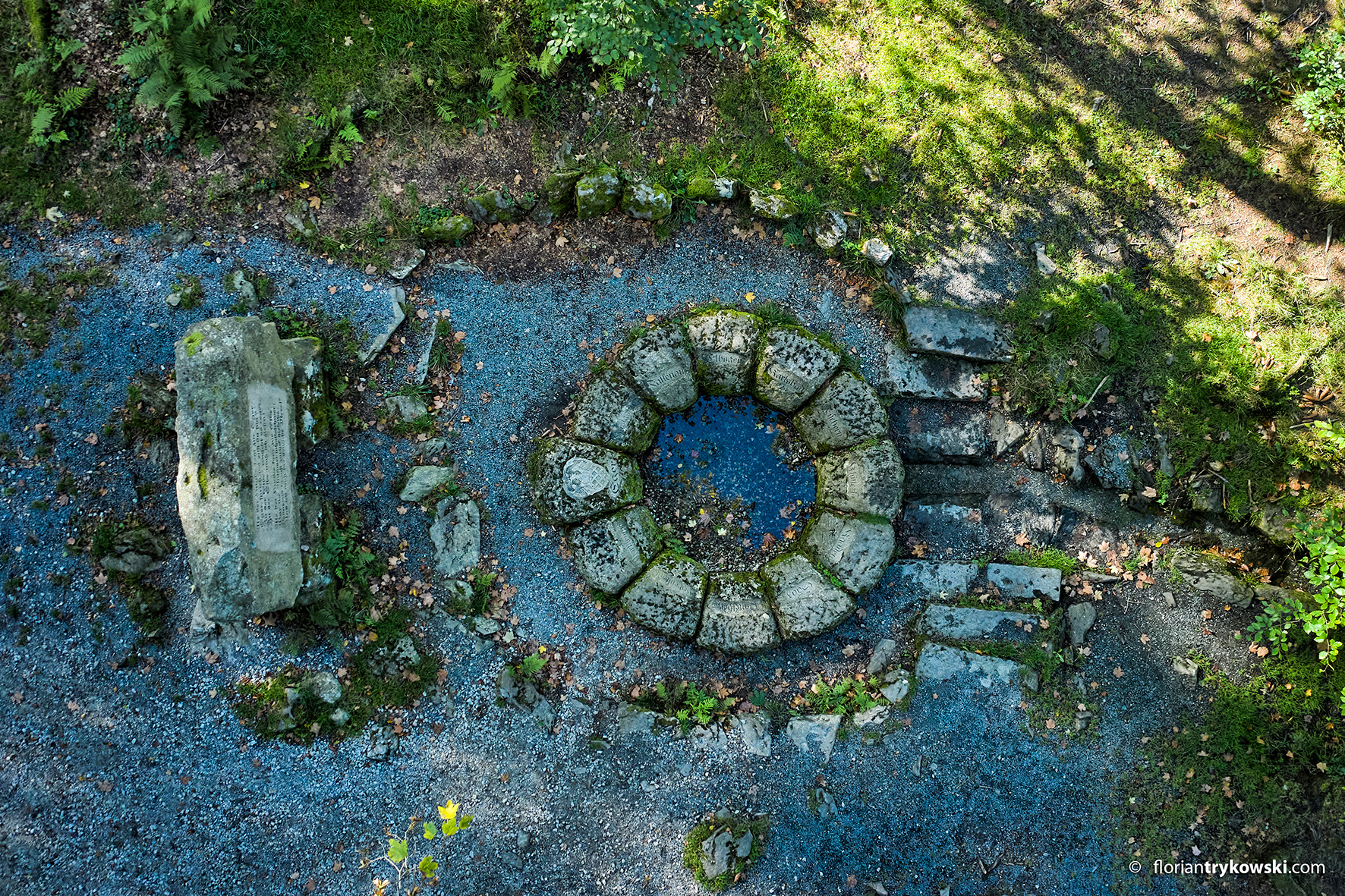
The spring is lined with twelve roughly hewn granite stones. Carved into them are the names of the towns and villages that contributed to the spring’s development and through which the Eger River flows. The front stone, slightly taller and more massive and bearing the town’s coat of arms, belongs to the town of Cheb. The other stones bear the names Weißenstadt, Marktleuthen, Kynšperk (Königsberg), Sokolov (Falkenau), Loket (Elbogen), Karlovy Vary (Karlsbad), Rybáře (Fischern), Klášterec (Klösterle), Kadaň (Kaaden), Žatec (Saaz), and Postoloprty (Postelberg). The spring was renovated on the initiative of the city of Cheb in 1923. The work was carried out by the stonemasonry firm Grasyma from Wunsiedel.
Immediately next to the spring’s rim, a rectangular granite block stands on two stone blocks, bearing an engraved, slightly modified text from the song “Podersamer Heimatklänge.” On the opposite side of the granite block is carved the inscription “Egerquelle” and the year 1923. The official consecration of the spring took place on the first Pentecost Sunday of 1924.
The source of the Eger River is located at an elevation of 752 meters at the northwestern foot of Schneeberg (1,051 meters), the highest peak in the Smrčiny Mountains.
The...
Show more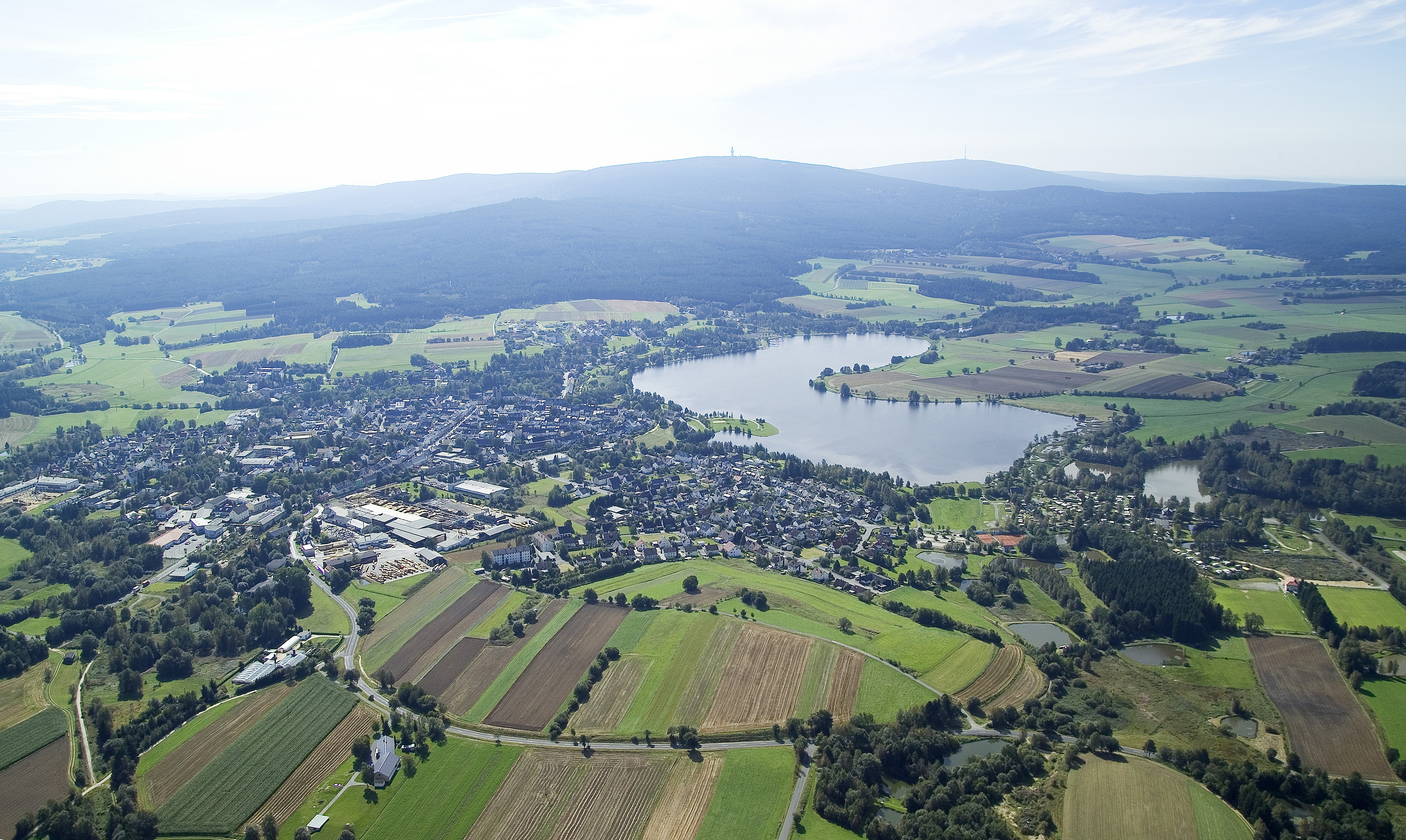
Bad Weißenstadt is located in a picturesque valley within the Fichtelgebirge Nature Park, just a short distance from the source of the Eger River, in the traditional spa region of...
Show more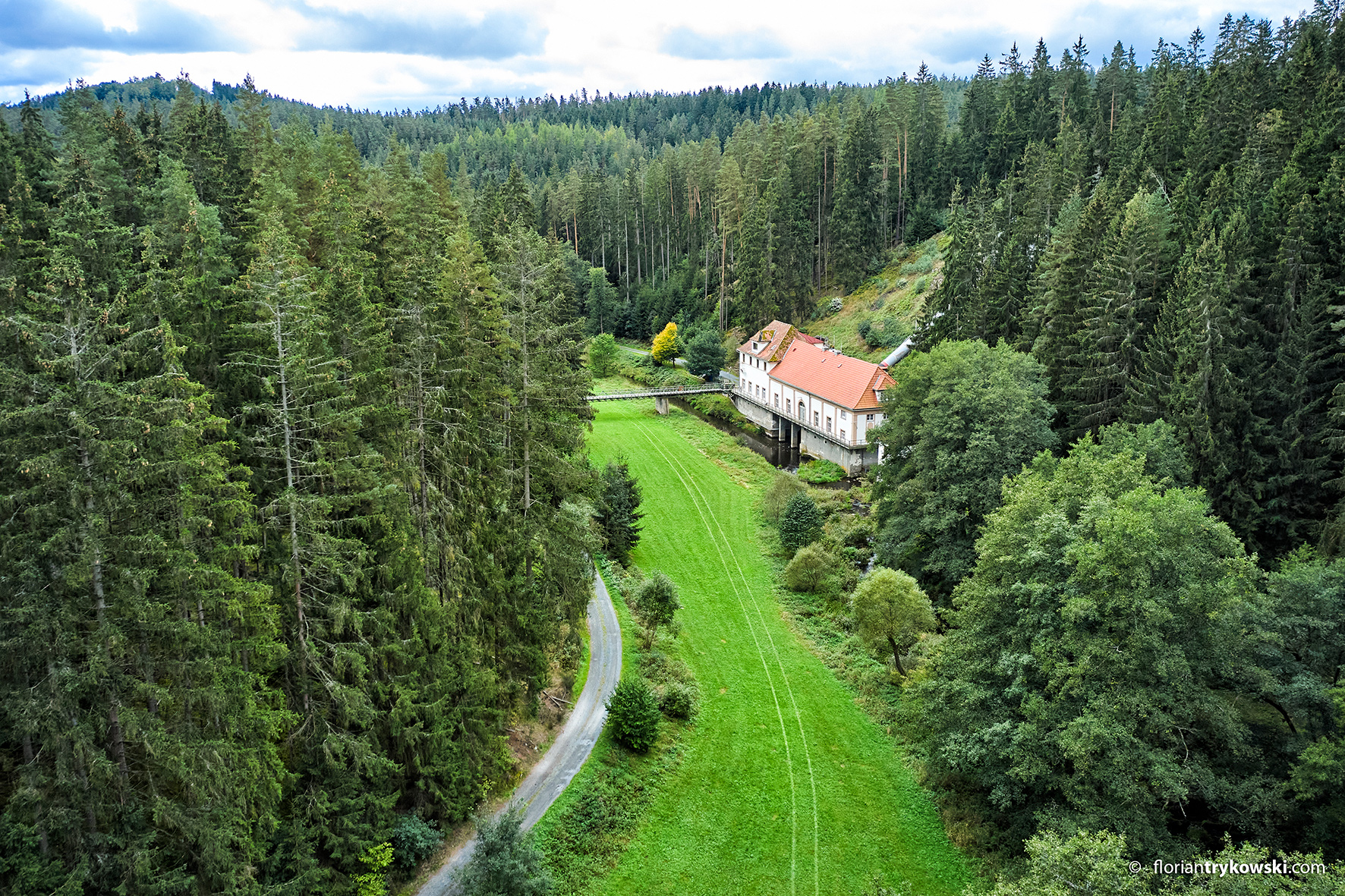
The Wellertal Valley, with its granite formations and the lively river rushing through it, is likely the most picturesque stretch of the upper Eger River. For decades, it has been...
Show more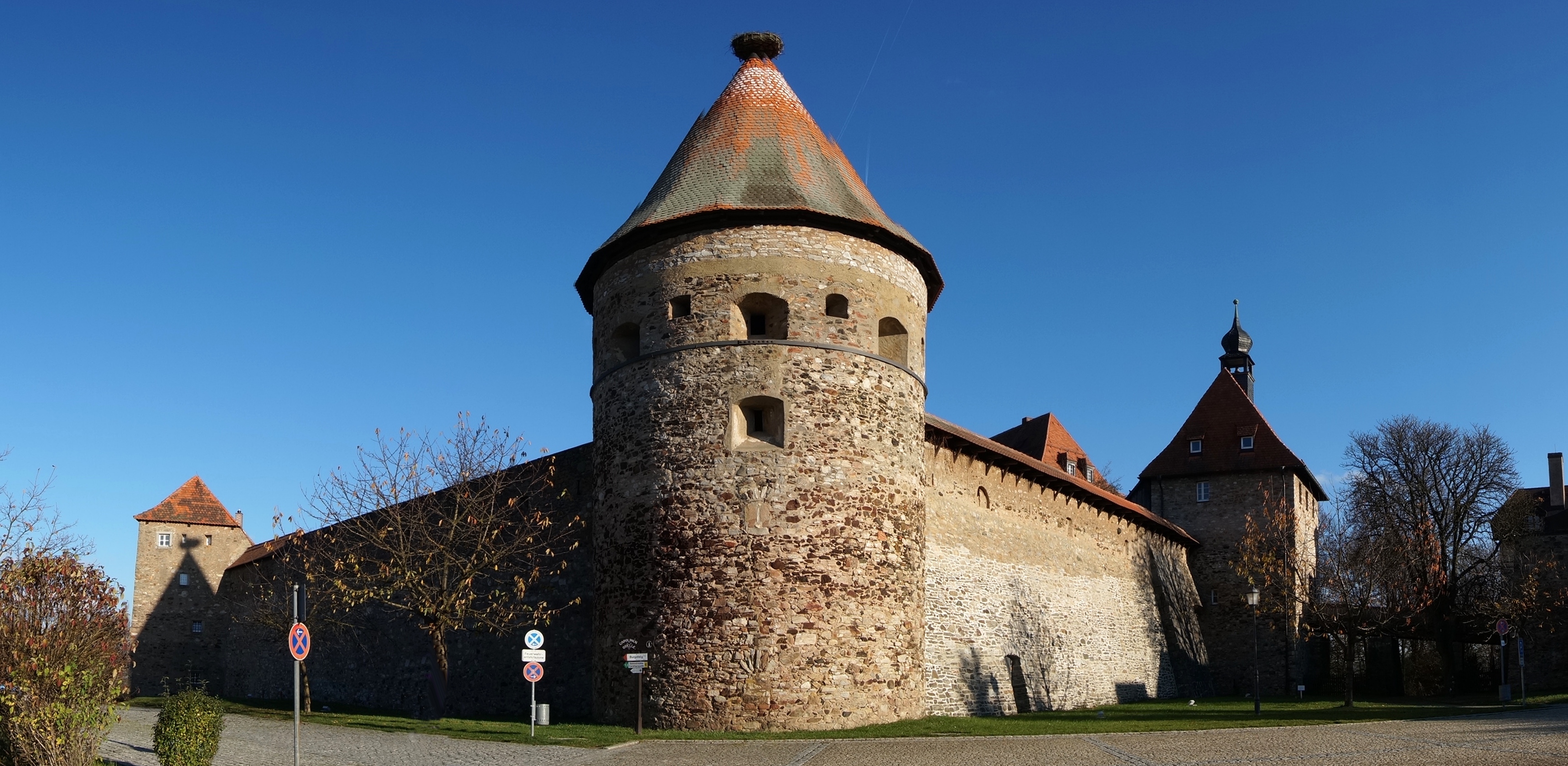
Hohenberg Castle is situated on a steep granite cliff directly above the Eger (Eger) River, just before the Czech border near Pomezí, in the historic border region of Smrčiny. Hohenberg...
Show more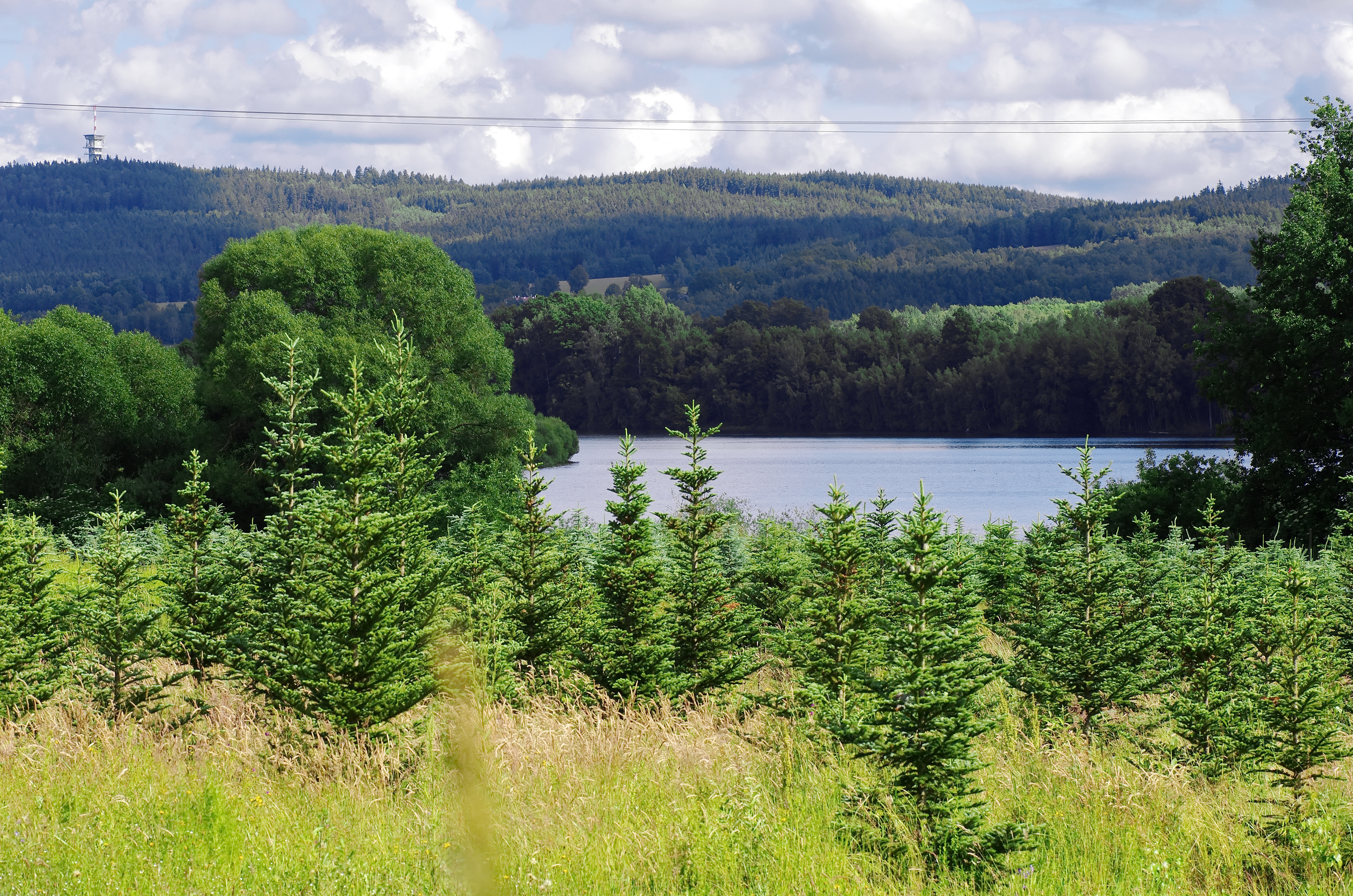
The Skalka Reservoir is located in the flat, densely forested valley of the Eger River, right on the western edge of the city of Cheb, just a short distance from...
Show more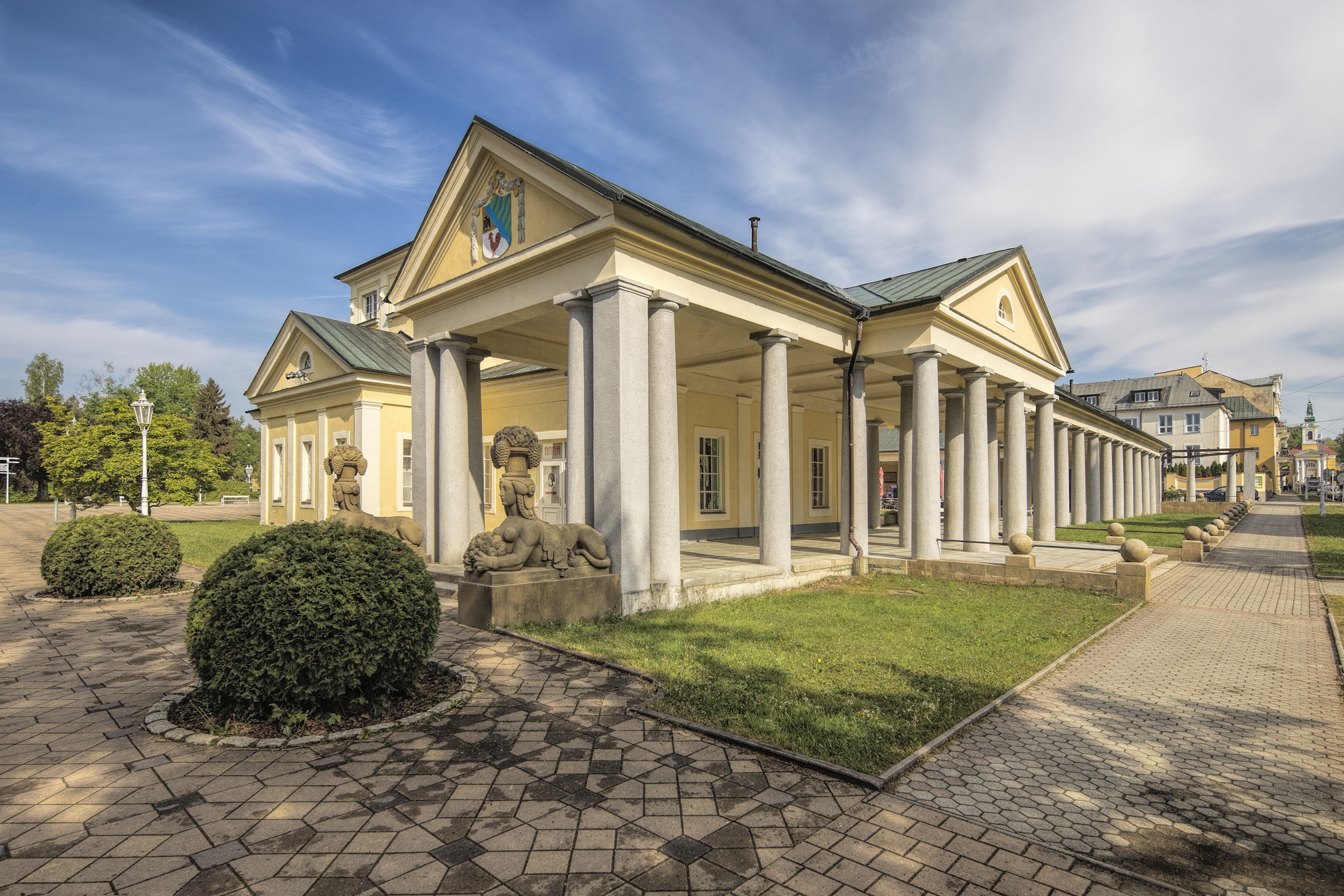
Františkovy Lázně is located in the Cheb Basin, just a few kilometers from the Eger Bike Trail, in the picturesque countryside of western Bohemia, as part of the famous spa...
Show more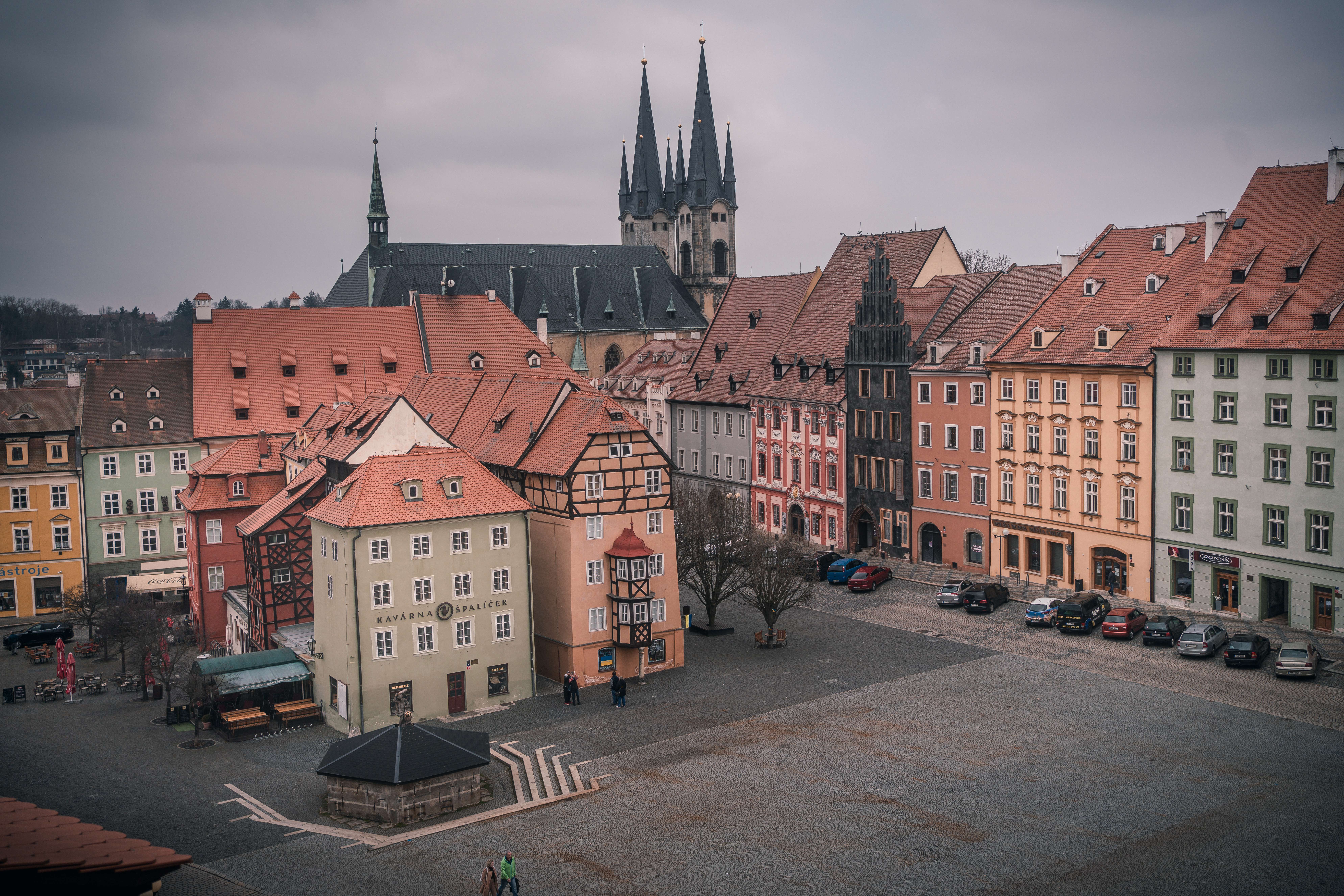
Cheb will charm you with its historic atmosphere and unique landmarks. On King George of Poděbrady Square, you’ll be greeted by the iconic Špalíček—a unique cluster of medieval merchant houses...
Show more